The Denver Wine Cabinet Handbook · Part 7 of 7
Shutting down or leaving a unit for weeks
November in Denver empties a certain kind of house every weekend, and the question that comes with it is what to do about the wine cabinet. The answer the printed guide gives is short, and the part most owners get wrong is not the cabinet at all but the room it is standing in. Denver Sub-Zero Repair Pros gets this call every autumn.
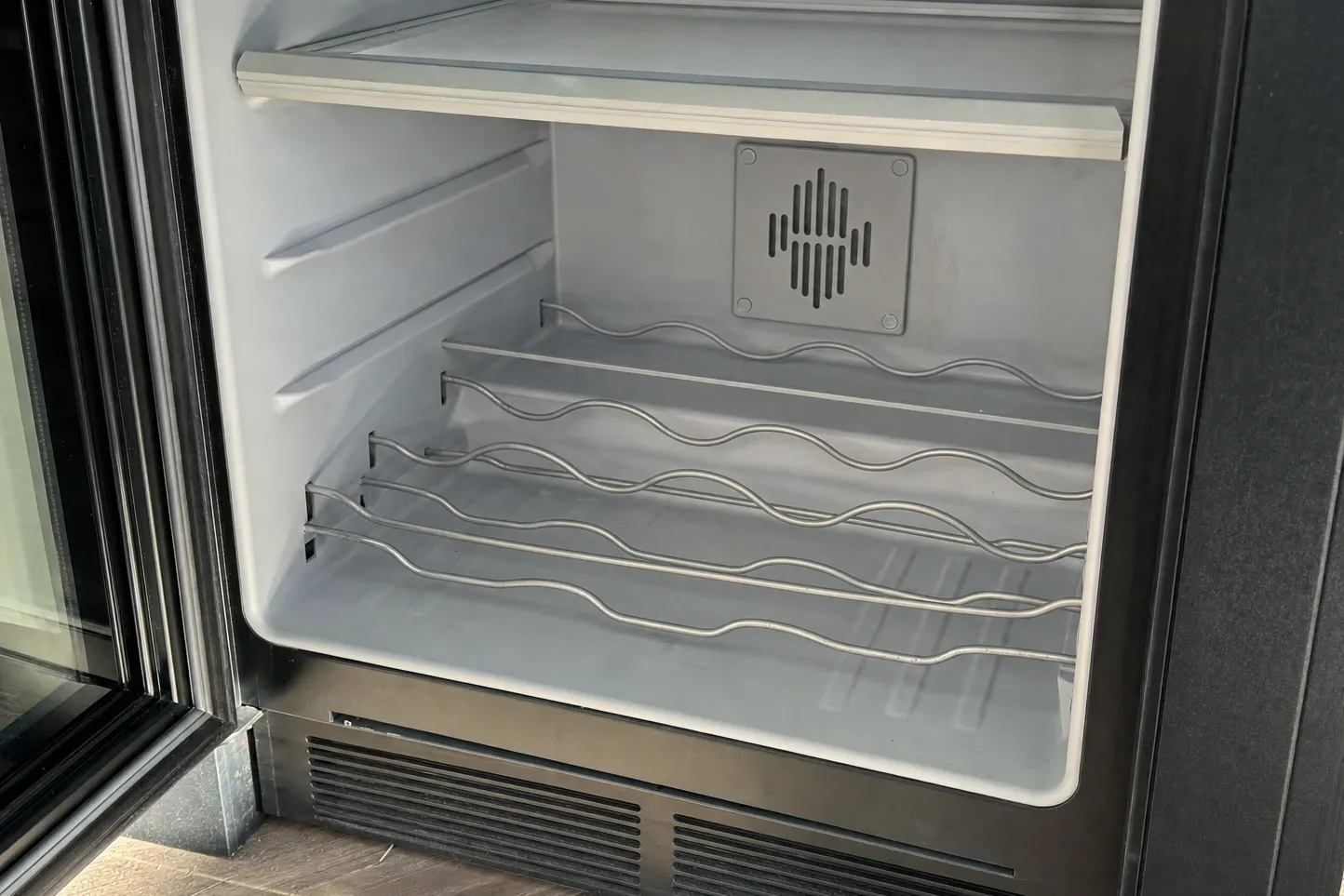
Leaving it running is usually the answer
A cabinet holding a steady temperature in a room that is also steady is doing very little work. Switching it off saves nothing worth having, and it costs you the pull-down when you come back: a warm cabinet full of bottles has to take all of them down to temperature again, and the glass gets there long after the air does.
So the default for a fortnight in the mountains, or for a month, is to leave the cabinet alone. What deserves the attention is everything around it — the seal, the grille, and whether anybody will be in the house to notice the display.
If you do want it off
There is a published instruction for this, and it is short. Turning the power off at the control panel removes the need to unplug the cabinet or to switch it off at the circuit breaker for service or an extended absence. On the interactive panels the same control is marked power, and a press of a second or two is what wakes the cabinet at start-up.
That is the whole of it. Nothing in the owner’s guide asks you to prop the door open, wedge anything into the seal, or empty the cabinet first — and a door held ajar on a unit that is not running is a way to come home to an odour rather than a way to avoid one.
The half hour before you go
Clean the condenser if it is anywhere near due, because a unit left running for six weeks is a unit nobody will look at for six weeks. Wipe the seal down and shut the door properly. Turn the accent lighting off; it is a switch on the panel, and there is no reason for it to be on in an empty house. Then decide who, if anybody, is going to look at the display while you are away.
The routine
- The week before you go Run a finger round the seal and do the paper test. A cabinet nobody will open for a month is a cabinet nobody will notice a slow leak on, and dry winter air is hardest on a seal that is never flexed.
- The day you leave Switch the accent lighting off, close the door firmly and watch the display settle. If a service indicator is showing, deal with it now rather than finding it in March.
- If somebody is looking in Ask them for one thing only: a look at the front panel, and a call if it is flashing or chiming. They do not need to open the door, and every opening warms the compartment.
- The first hour back Read the panel before you read the post. Then open the door, put a hand on the top rack, and see whether the cabinet feels the way it did when you left.
Stop here A cabinet that was switched off for a few weeks and will not come back to its setting, or one that has come back to a flashing panel, has more wrong with it than the absence. Denver Sub-Zero Repair Pros takes it from there — call (720) 790-9436, or reserve a slot.
Two follow-ups
Is it better to leave a wine cabinet running or switch it off?
Leave it running, in almost every case. A unit holding a steady temperature in a steady room is under very little load, and the alternative is a full cabinet warming up over weeks and then being pulled back down all at once. Switch it off only if the house itself is being shut down properly.
What about the temperature alarm while nobody is home?
It will chime to an empty room, which is the honest limitation of it. On the older cabinets the temperature alarm sounds when the compartment falls well below or climbs well above the setting; on the interactive panels there is a door and drawer alarm whose volume and duration can be adjusted. Leave Denver Sub-Zero Repair Pros on (720) 790-9436 with whoever is looking in.